

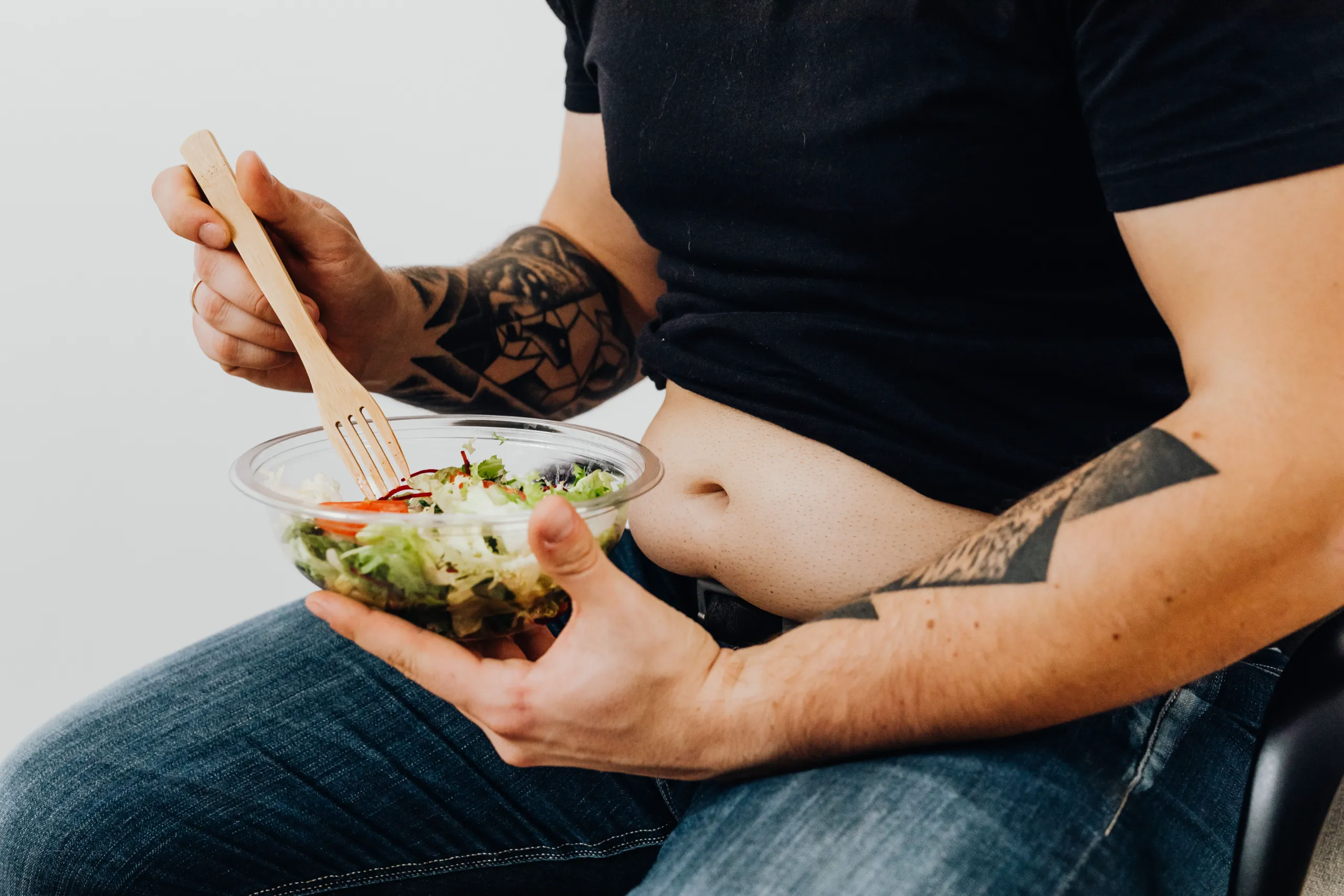
Ube can be a healthy addition to a weight loss diet, particularly when you eat it in reasonable portions and prepare it without excessive sugar or fat. This vibrant purple yam, traditionally enjoyed in Filipino cuisine, provides carbohydrates, dietary fiber, and naturally occurring plant compounds. Its nutritional qualities make it an interesting alternative to certain refined carbohydrate foods, although eating ube alone will not cause weight loss.
The real advantage of ube for weight loss lies in how easily it can fit into balanced meals. Its starchy texture makes it satisfying, while its fiber contributes to digestive health and may support feelings of fullness. Unlike highly processed snacks, plain cooked ube provides energy alongside useful nutrients. However, its effectiveness depends on your overall calorie intake, activity level, and eating habits.
There is an important distinction between eating fresh purple yam and consuming an ube-flavored dessert. A serving of steamed ube is very different from a large slice of ube cake covered in sweet frosting. The ingredient may be the same, but the calorie content and nutritional balance can change dramatically. Think of ube as one piece of the nutritional puzzle rather than a shortcut to a slimmer body.
For anyone discovering ube as part of a healthier lifestyle, understanding its composition is essential. The most useful questions concern portion sizes, preparation methods, and whether this purple yam can replace less nutritious foods. With a few practical adjustments, purple yam can become a regular ingredient in meals designed to support sustainable weight management.
Why ube can fit into a weight loss diet
Weight loss generally requires a sustained calorie deficit, meaning your body uses more energy than you consume. Ube does not automatically create this deficit, but it can help you build satisfying meals without relying on heavily processed products. The key is choosing plain ube rather than sweetened preparations and accounting for its carbohydrates within your daily food intake.
Like potatoes and other starchy vegetables, ube supplies carbohydrates that the body can convert into energy. This makes it useful for people who exercise regularly or want to maintain their energy while reducing calorie intake. Completely eliminating carbohydrates is not necessary for weight loss, and excessively restrictive diets can become difficult to maintain.
The dietary fiber in ube is another nutritional advantage. Fiber can help slow digestion and contribute to fullness, particularly when combined with protein and vegetables. However, the amount of fiber varies according to the variety, processing method, and serving size. Ube should not be considered an exceptionally high-fiber food without examining its actual nutritional composition.
Its naturally rich flavor can also make simple dishes more enjoyable. Roasted or steamed purple yam can replace part of a meal’s usual starch serving. When seasoned with spices instead of sugary toppings, it offers an appealing way to introduce variety into a balanced weight loss diet.
Calories and nutritional value of purple yam
Understanding ube nutrition helps explain why it can be compatible with weight management. Fresh purple yam contains carbohydrates, small amounts of protein, very little fat, and varying quantities of vitamins and minerals. Its exact nutritional values depend on the cultivar, growing conditions, cooking method, and whether water is added or lost during preparation.
A practical estimate for plain cooked purple yam is around 100 to 150 calories per 100 grams, although individual food composition databases and products may report different figures. For precise meal tracking, use reliable nutritional information corresponding to the actual product you eat.
Its carbohydrate content makes ube an energy-providing food rather than a low-carbohydrate vegetable. That distinction matters when planning portions. A serving of ube can replace rice, potatoes, or another starchy ingredient, but adding it on top of an already substantial meal increases the total energy consumed.
Ube also contains naturally occurring purple pigments, including anthocyanins, compounds associated with antioxidant activity. Research into these substances is promising, but evidence that eating ube directly improves weight loss in humans remains insufficient. Its attractive color and antioxidant compounds are nutritional features, not proof of fat-burning properties.
Can ube help control hunger and cravings?
Ube may help some people feel satisfied when incorporated into a well-structured meal. Its combination of starch, fiber, and water can contribute to fullness, particularly when it replaces refined snacks or sugary products. However, the satiety benefits of ube have not been established through extensive human trials specifically examining weight loss.
How you eat it makes a difference. A portion of steamed ube served with eggs, tofu, fish, or another protein source generally creates a more nutritionally balanced meal than ube eaten alone. Protein, fiber, meal volume, and individual appetite responses all influence how long you remain satisfied.
The sweetness of cooked ube may also make it an enjoyable ingredient in meals containing little added sugar. Its distinctive taste can reduce the need for elaborate toppings, although it should not be assumed that ube directly suppresses sugar cravings. Appetite is influenced by numerous factors, including sleep, stress, eating patterns, and food preferences.
For weight management, the most reliable approach is to combine enjoyable foods with appropriate portions and consistent eating habits. If ube helps you maintain this routine, it can be valuable without possessing any special appetite-suppressing effect.
How much ube should you eat to lose weight?
There is no scientifically established ideal daily portion of ube for weight loss. The appropriate quantity depends on your energy requirements, physical activity, nutritional needs, and the other carbohydrate sources included in your diet. Nevertheless, practical serving sizes can make meal planning easier.
For many adults, approximately 100 to 150 grams of plain cooked ube can be a reasonable starting portion of starchy food. This is not a universal recommendation or a daily limit. Someone with higher energy requirements may comfortably eat more, while another person may prefer a smaller serving.
If you are tracking calories, remember to include cooking ingredients such as oil, coconut milk, butter, and sugar. These additions can substantially increase the energy density of an otherwise simple preparation. Weighing your portion occasionally can help you understand serving sizes without making every meal a mathematical exercise.
People with diabetes or other conditions requiring carbohydrate management may need to adjust portions according to their individual care plan. Ube contains starch, and its effect on blood glucose varies with preparation, quantity, and the composition of the complete meal.
The healthiest ways to prepare ube for weight management
Preparation is often more important than the color or reputation of the ingredient. Plain steamed, boiled, or baked ube can be incorporated into nutritious meals without large amounts of added sugar or fat. These methods also preserve the original character of the yam and make portion control relatively straightforward.
Steamed and baked ube for everyday meals
Steamed ube is among the simplest options. Cook the yam thoroughly until tender, then serve it alongside vegetables and a protein source. Its naturally pleasant flavor works well with cinnamon, ginger, or savory seasonings. A small amount of fat can improve the eating experience without turning the dish into a high-calorie preparation.
Baking is another convenient method. Cut cooked or suitably prepared raw ube into manageable pieces, follow appropriate cooking instructions, and heat until fully tender. A little olive oil can provide flavor, although the quantity contributes to the meal’s total calories. Pairing baked ube with a vegetable-rich dish creates a more substantial meal.
Ube can also be mashed without using generous quantities of butter or sweetened condensed milk. Combining it with a little unsweetened milk or another suitable liquid produces a smooth texture. For a healthier plate, treat the mash as the starchy component rather than the entire meal.
Ube powder and sweet desserts require more attention
Ube powder can be convenient for smoothies, porridge, and homemade recipes, but its nutritional composition depends on the product. Pure dehydrated purple yam is different from flavored powders containing sugar, starches, colorings, or other ingredients. Because dehydration removes water, powder is generally more concentrated by weight than fresh ube.
Traditional desserts such as ube halaya, cakes, and ice cream can be delicious, but they frequently contain substantial amounts of sugar, cream, butter, or condensed milk. They are not automatically unsuitable for weight loss. Their portion sizes and contribution to your daily energy intake simply deserve attention.
When preparing an ube smoothie, consider using unsweetened yogurt, milk, or a fortified plant-based alternative, together with a measured quantity of ube. Protein-rich ingredients may improve the nutritional balance. Avoid assuming that a purple smoothie is healthier than other drinks solely because it contains a colorful root vegetable.
Common mistakes when eating ube for weight loss
One frequent mistake is treating every food containing ube as a healthy option. Ube-flavored drinks, pastries, and desserts can contain relatively little actual purple yam while providing significant amounts of sugar and fat. Reading ingredient lists is particularly useful when buying packaged products.
Another mistake is believing that ube burns belly fat. No credible evidence demonstrates that eating purple yam selectively reduces abdominal fat or accelerates metabolism enough to produce meaningful weight loss. Changes in body fat depend on sustained energy balance and broader lifestyle factors.
Replacing all carbohydrates with ube is unnecessary as well. Dietary variety helps supply different nutrients, and other foods such as oats, beans, whole grains, and vegetables contribute important nutritional benefits. A restrictive diet built around one ingredient may be harder to sustain than a flexible eating pattern.
Finally, eating ube without sufficient protein or vegetables can leave meals nutritionally incomplete. For sustainable results, focus on balanced meals, appropriate portions, regular physical activity, and eating habits that you can maintain over time.
Is ube better than sweet potato or regular potato for losing weight?
Ube, sweet potatoes, and regular potatoes can all fit into a weight loss diet. Their calorie and carbohydrate values vary by variety and preparation, making it difficult to declare one universally superior. All three can provide useful energy and nutrients when eaten in sensible portions.
Ube belongs to the yam family, whereas sweet potatoes are botanically different. Their colors, textures, and flavors can overlap, which sometimes leads to confusion. Purple sweet potatoes are not necessarily ube, even when recipes use the names interchangeably.
The best starchy food for weight loss is usually the one you enjoy, digest comfortably, and can incorporate into meals that meet your nutritional needs. A plain baked potato may be preferable to heavily sweetened ube, while steamed ube can be a better choice than fried potatoes loaded with rich toppings.
Rather than searching for a single perfect carbohydrate, compare serving sizes, cooking techniques, and the nutritional quality of the entire plate.
Making ube part of a sustainable eating routine
Ube can be good for people trying to lose weight, provided it replaces or complements other foods in a balanced diet rather than simply adding extra calories. It offers carbohydrates for energy, some dietary fiber, and naturally occurring plant compounds, but it is not a scientifically established weight loss treatment.
The simplest strategy is to enjoy properly cooked ube in moderate portions, combine it with protein and vegetables, and reserve heavily sweetened preparations for occasions when they fit your preferences and nutritional goals.
Successful weight management rarely depends on discovering one extraordinary ingredient. It comes from choosing satisfying foods, understanding portions, and building habits that remain practical over time. Ube can certainly have a place in that approach.
